

Pest Control
Pest Control
Kima Chemical Company
for Environmental Services
Crawling Insects
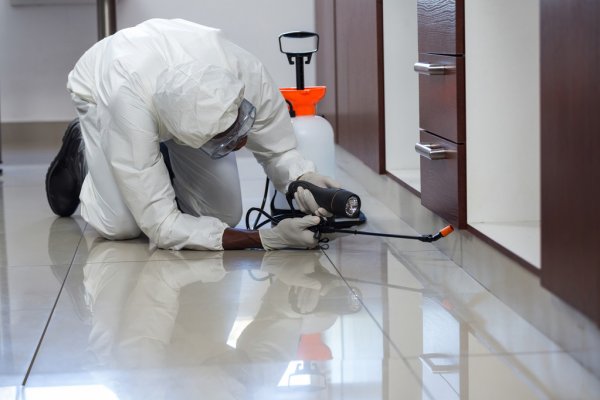
Continuous pressure spraying for the success of distributing pesticides on the sprayed surfaces on a regular basis during periods of non-use, provided that the place is cleaned well to ensure that no pesticides remain that would contaminate the places of preparation, preservation or serving of food.
Using the sticky gel inside buffets or infected rooms in a safe manner to ensure the survival of the pesticide without exposing food or users to the danger of pesticides.
Paper sticky traps to follow up on the control work and ensure the complete disappearance of the insect activity.
Treating all sewers, beers and sewage stations with pesticides with a long-term effect to ensure that the infection does not recur.
Flying Insects (Flies)
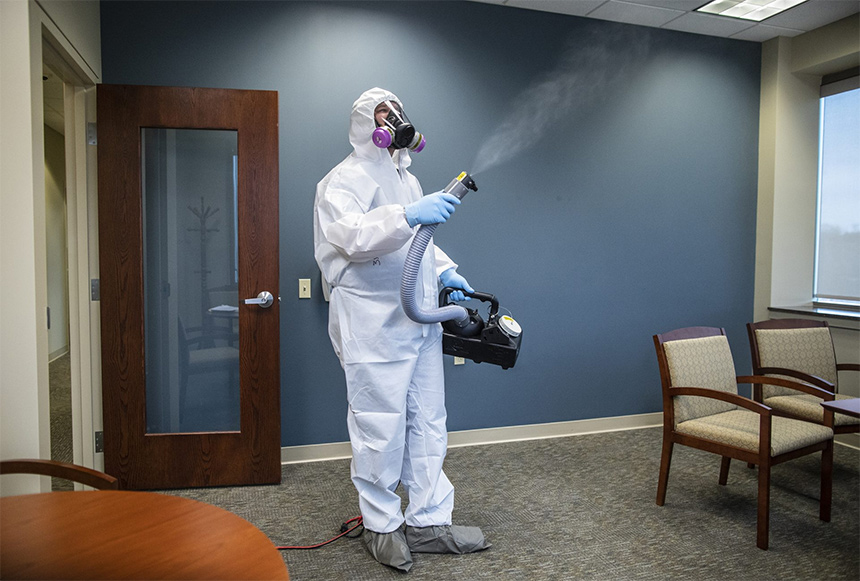
Spraying the walls with micro-fogging devices for exposed walls.
Treatment of garbage collection places by spraying with residual effect of larvae.
External formone traps in corridors and gardens away from the entrances and exits of buildings and places of use are treated and recharged on an appropriate periodic basis.
Light traps in sensitive places, important rooms, service halls and food preparation places. They are designed aesthetically and do not make sounds or emit odors and are installed at appropriate distances to ensure efficient implementation.
Flying Insects (Mosquitoes)
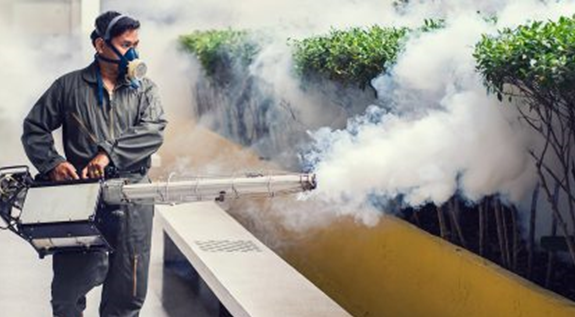
Using electric fumigation inside rooms and service places to expel mosquitoes, especially in offices, administration rooms and meeting rooms. They are installed and charged at appropriate intervals.
Treating breeding grounds, ponds and orchards with appropriate larvicides
Rodents
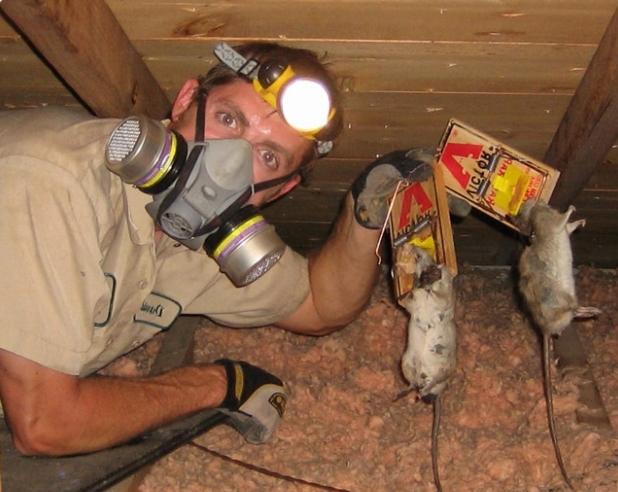
The probability of infection and its size is determined by setting live traps and tracking the effects of the activity of the pest to develop a treatment plan.
Vaccines are distributed through a numbered network of vaccine distribution stations for the possibility of following up the activity of the pest and the progress of the resistance work.
The baits are periodically distributed to the stations, and the variables are raised in your weekly follow-up to modify and change the places and density of distribution as needed.
Manholes and sewers are treated using wax baits and suspension wires.
Treating burrows, if any, using tracer powders and then demolishing them after the complete treatment has been proven.
Control measures are tracked through the color of faecal excreta and consumption rates of baits inside cans.
In indoor and sensitive areas, baits are not used to ensure that animals do not die and rot inside those areas. Baits cans with adhesive surfaces are used, which are followed up daily to treat the affected unit and replace it immediately.
Use bait stations commensurate with the nature of the places, taking into account safety and artistic taste according to the nature of the place.
In dangerous places such as high pressure and information cables, a fence of rodent repellents is used around the place to ensure no entry and to avoid the occurrence of disasters, fires or acts of sabotage.
Poisonous Pests (Scorpions - Snakes)
Anti-scorpion is done by using adhesive tapes or fogging with scorpion pesticides.
In sensitive places, the entrances to the places are modified to prevent the entry of scorpions in coordination with the responsible engineer.
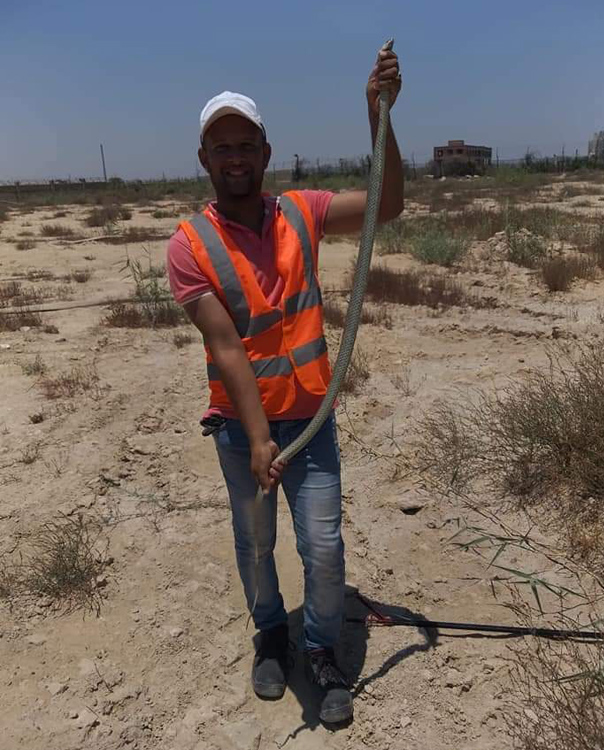
Snakes, if any, their genders are determined to use appropriate means for them.
Expulsion using balls of chamomile artemisia.
Chemical treatment using the egg injection method.
Hunting by specialists in the pursuit and hunting of snakes.
Environmental preparation by eliminating rodents, the main source of food for snakes.
Stray Animals (Cats and Dogs)
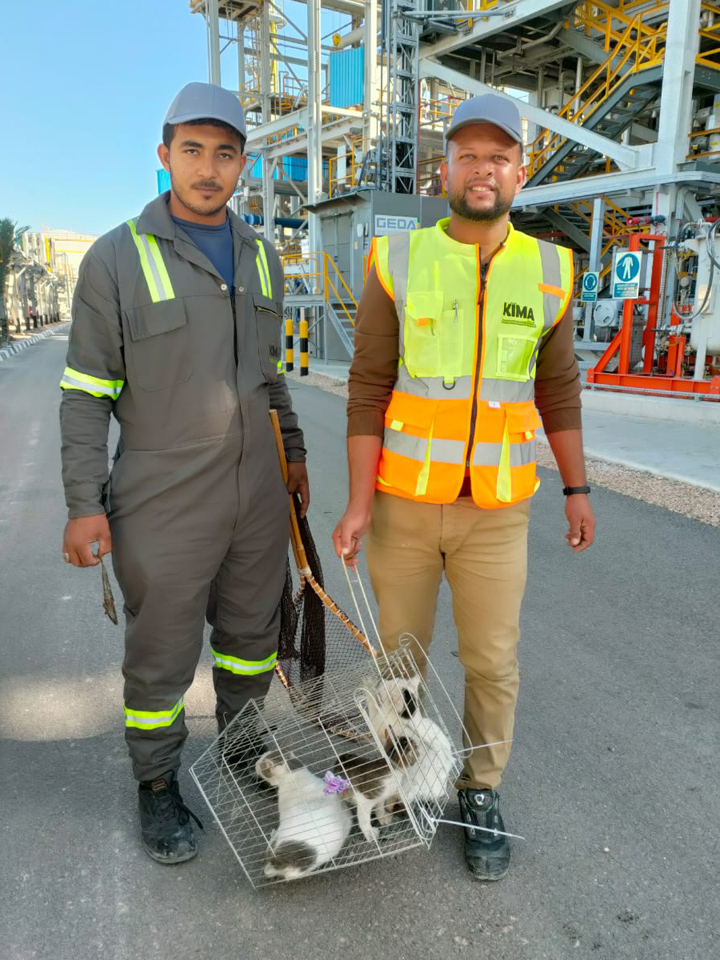
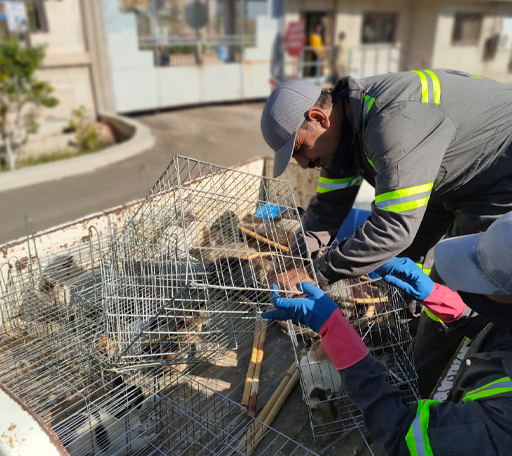
For cats, they are caught with special traps without killing them. As for dogs, they are dealt with through free hunting and traps, in addition to getting rid of food sources and places of settlement inside the facility.
Other Pests
Other pests are treated according to the conditions and requirements of the case in accordance with the standard regulations followed to ensure the uprooting of the causes of infection and the elimination of colonies and nests, not only reducing numbers.
If you have any question, feel free to call us
01112223789 - 01111109993
Saturday - Thrusday, 9:00 AM - 6:00 PM

